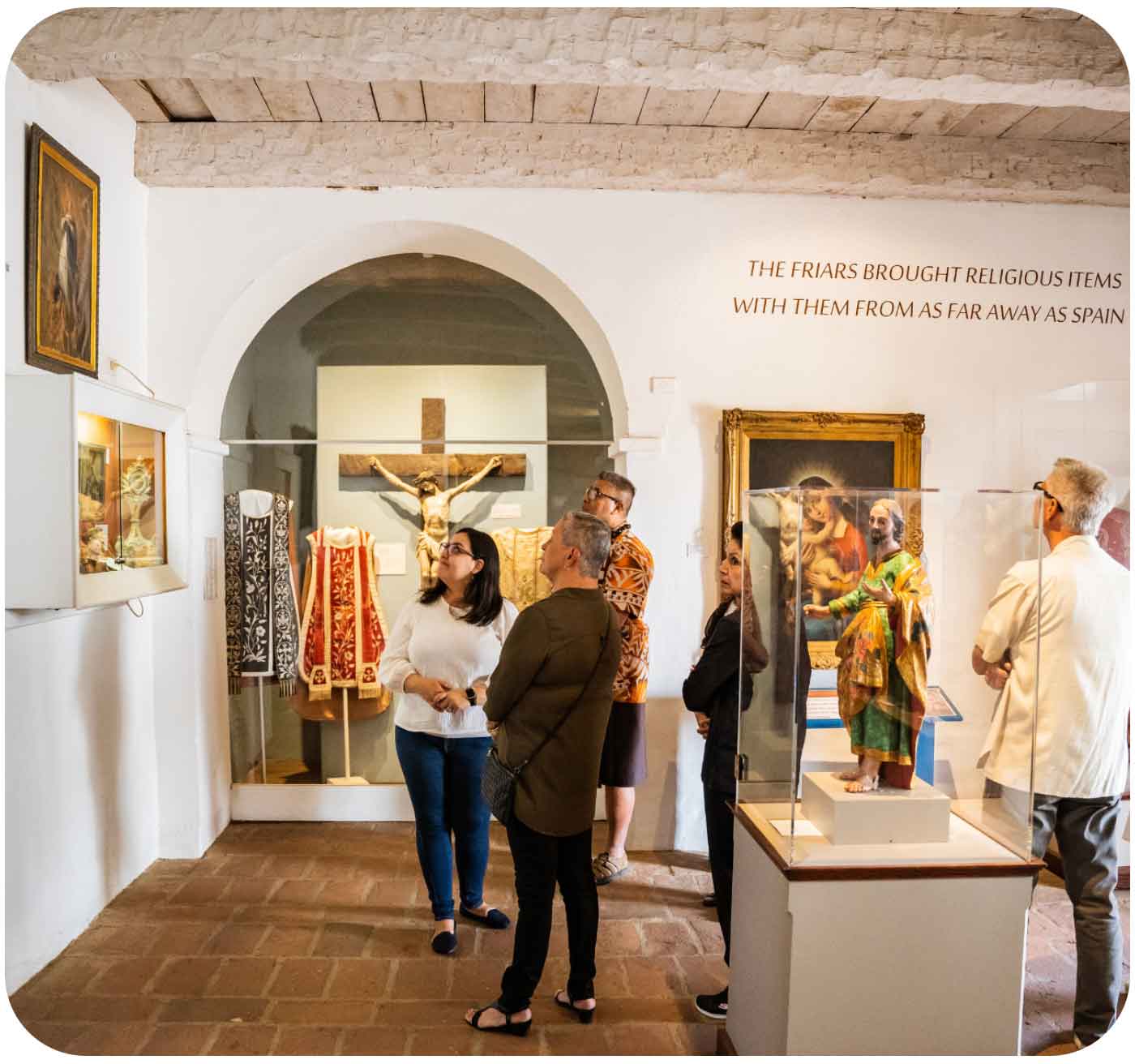
Discover over 225 years of history at our Mission Museum
Mission San Luis Rey’s museum collection includes artifacts from Native American, Spanish, Mission, Mexican Secularization and American Military periods.
Mission Museum
Museum Hours & Admissions
Hours & Admissions
10 am - 4 pm Daily
Closed on New Year’s Day, Good Friday, Easter, Thanksgiving, and Christmas Day.
Adults - $8 Seniors: $5
Youth 6 to 18: $5
Youth 5 and under: Free
Active Military and Dependents: Free
Museums for All (w/ SNAP EBT): $3.00
Audio Tours: $3 (Available in Spanish)
Gift Shop & Coffee Shop
At the Mission Gift Shop, started by the Franciscan Friars over 75 years ago, our friendly staff is available to assist you in making just the right purchase.
Mission Gift Shop
(760) 757-3651 x117
Open 10 am – 5 pm Daily (closed on New Year's Day, Good Friday, Easter, Thanksgiving and Christmas Day)
—————
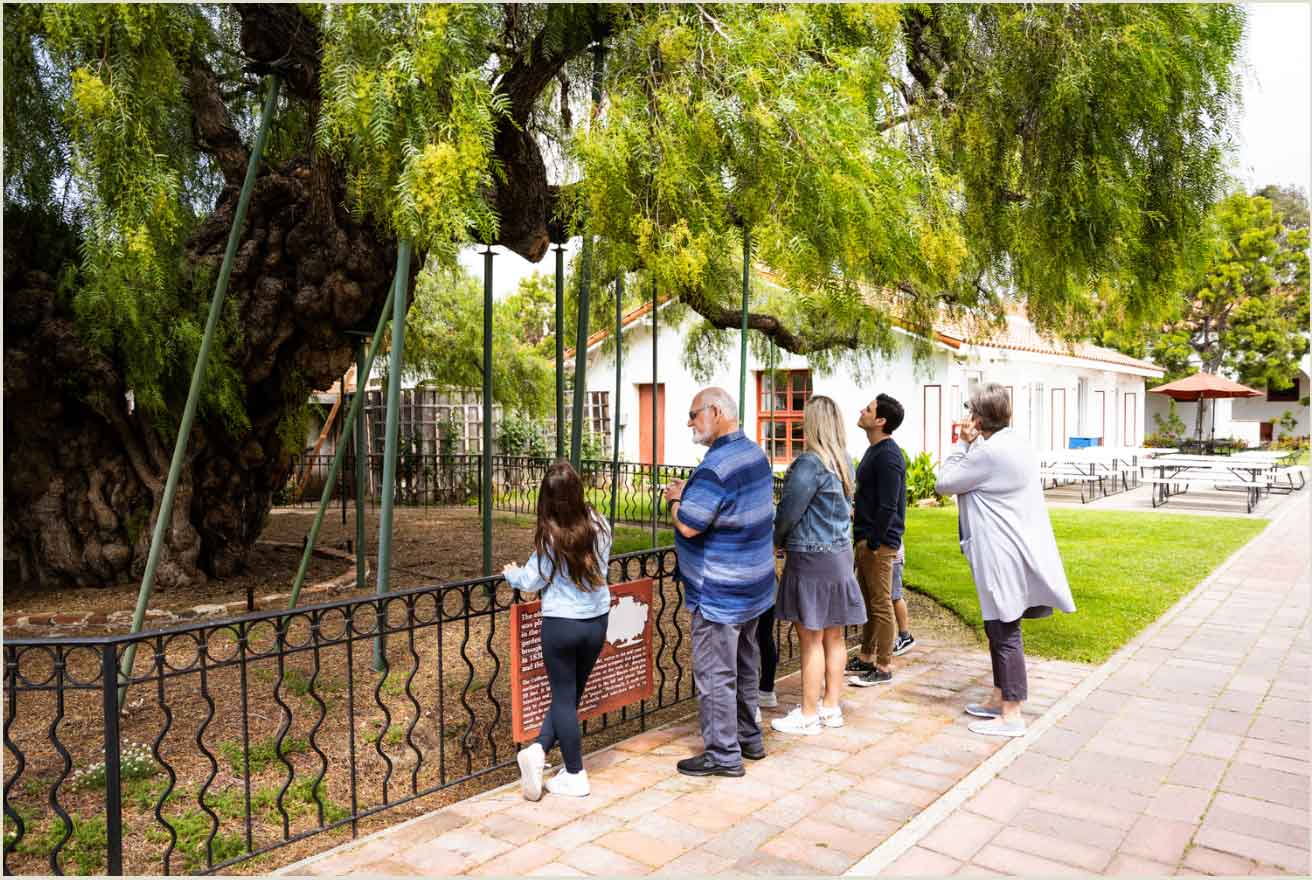
Relax and enjoy the beautiful rose garden and historic Pepper Tree while sipping on a cup of coffee, tea, or hot chocolate and munching on delicious baked goods in our Mission Grounds Coffee Shop.
Mission Grounds Coffee Shop
(760)757-3651, x169
Open: 9 am - 3 pm (Mon-Sat)
8 am - 3 pm (Sunday)
Closed on New Year’s Day, Good Friday, Easter, Thanksgiving, and Christmas Day.
Directions & Parking
We are located at:
4050 Mission Ave, Oceanside, CA 92057
The Mission has ample daytime parking available.
Mission San Luis Rey is pet-friendly, except for the Historic Church and Cemetery grounds. Please keep your pets on a leash.
Plan a Day Trip
Visit our Mission Museum, Historic Church, Cemetery, Gift Shop & Coffee Shop
To make the most of your visit, plan it here.
Download Our App
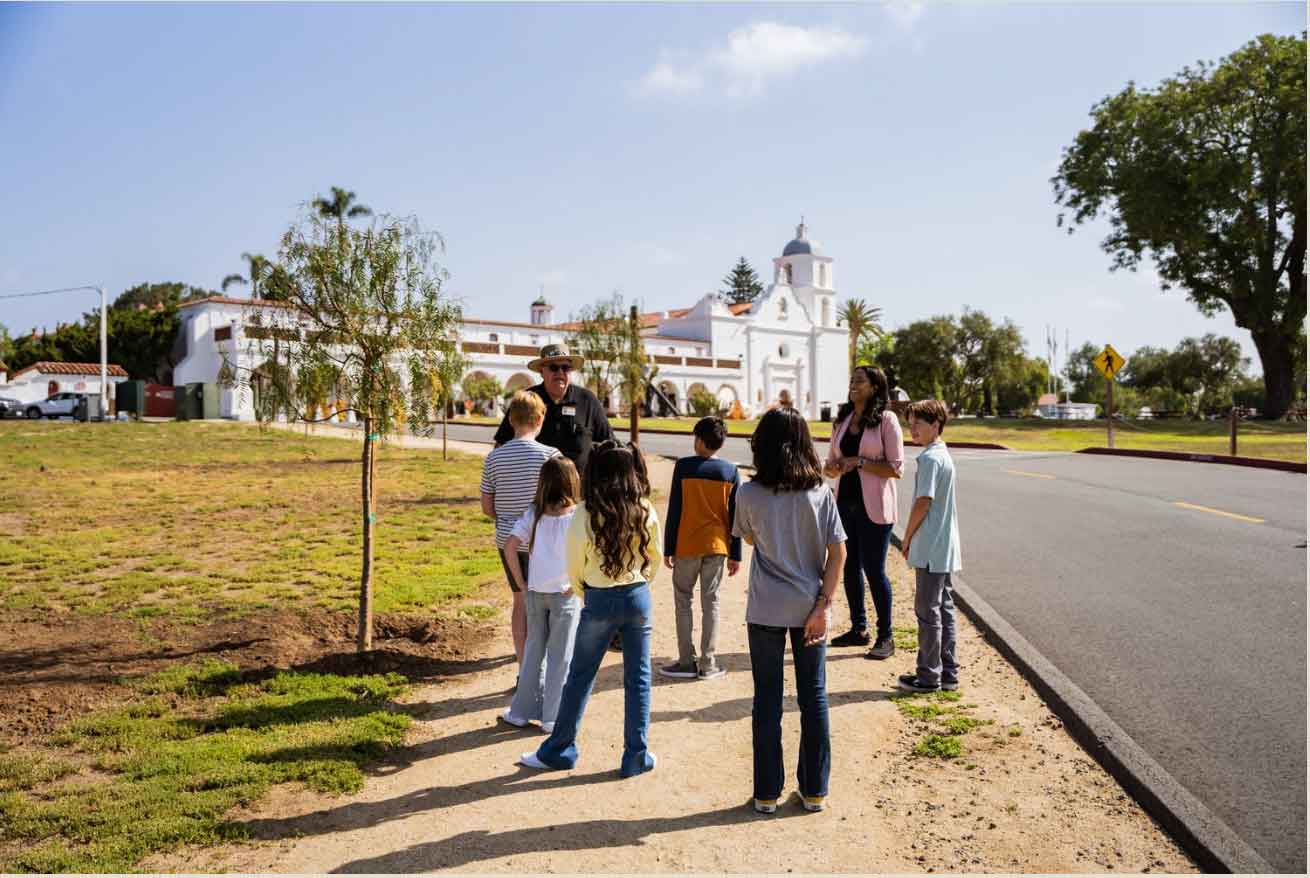
Download our FREE King of the Missions app and follow along on a self-guided tour!
The tour includes 8 stops - all are free, except for the Mission Museum. Enjoy our free picnic area before or after your tour.
Historic Features
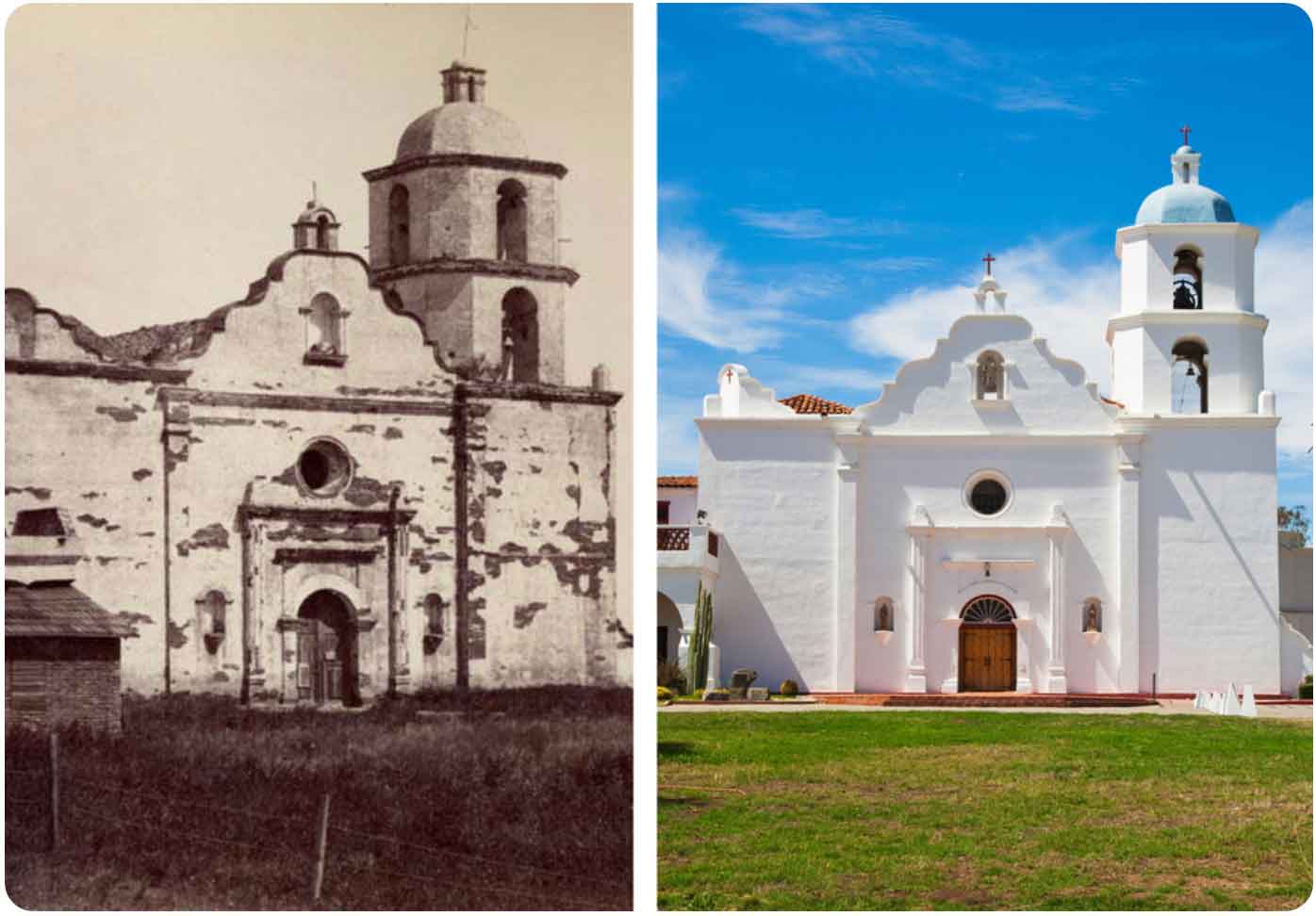
Historic Mission Church
Past
Present
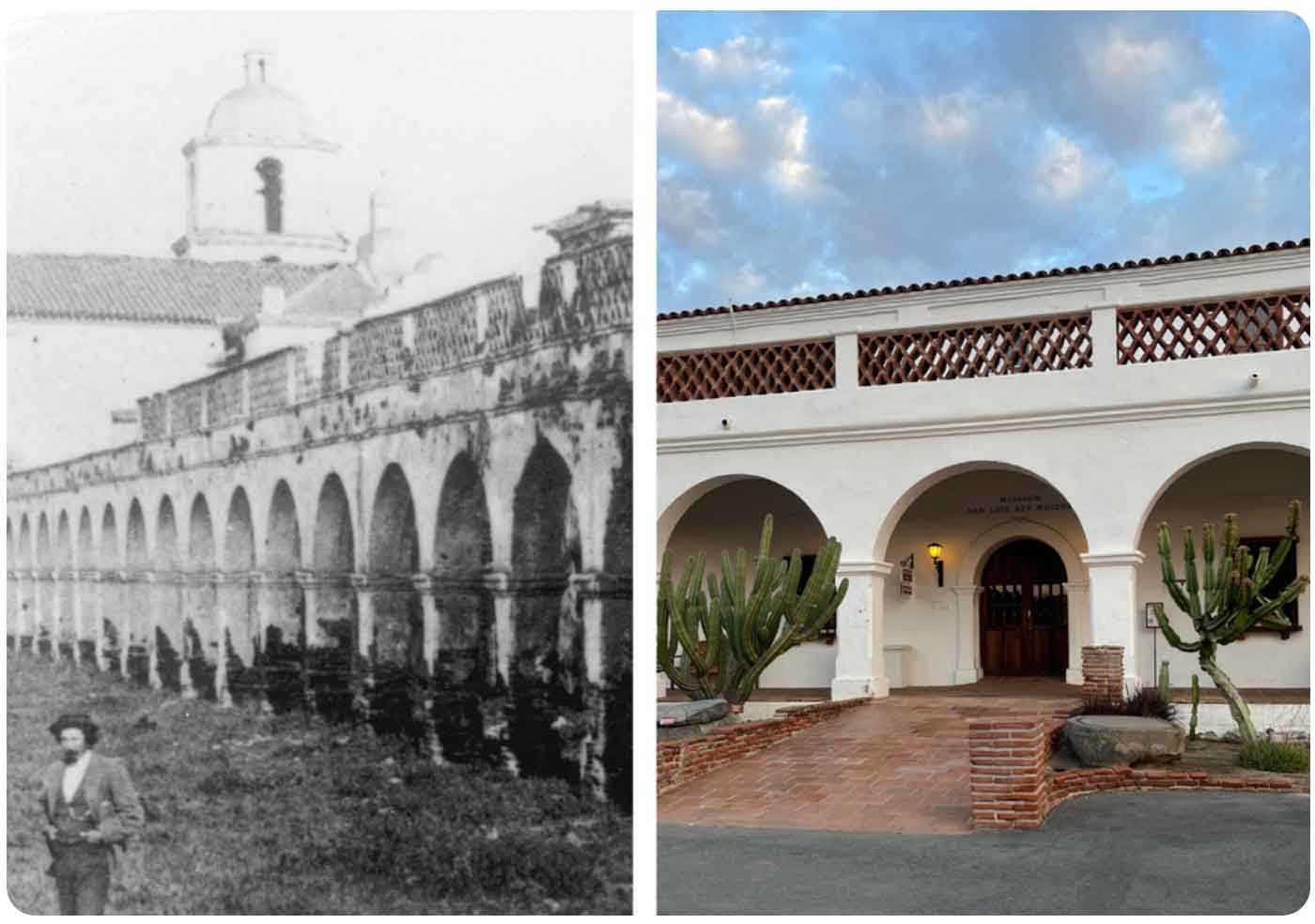
Convento
Past
Present
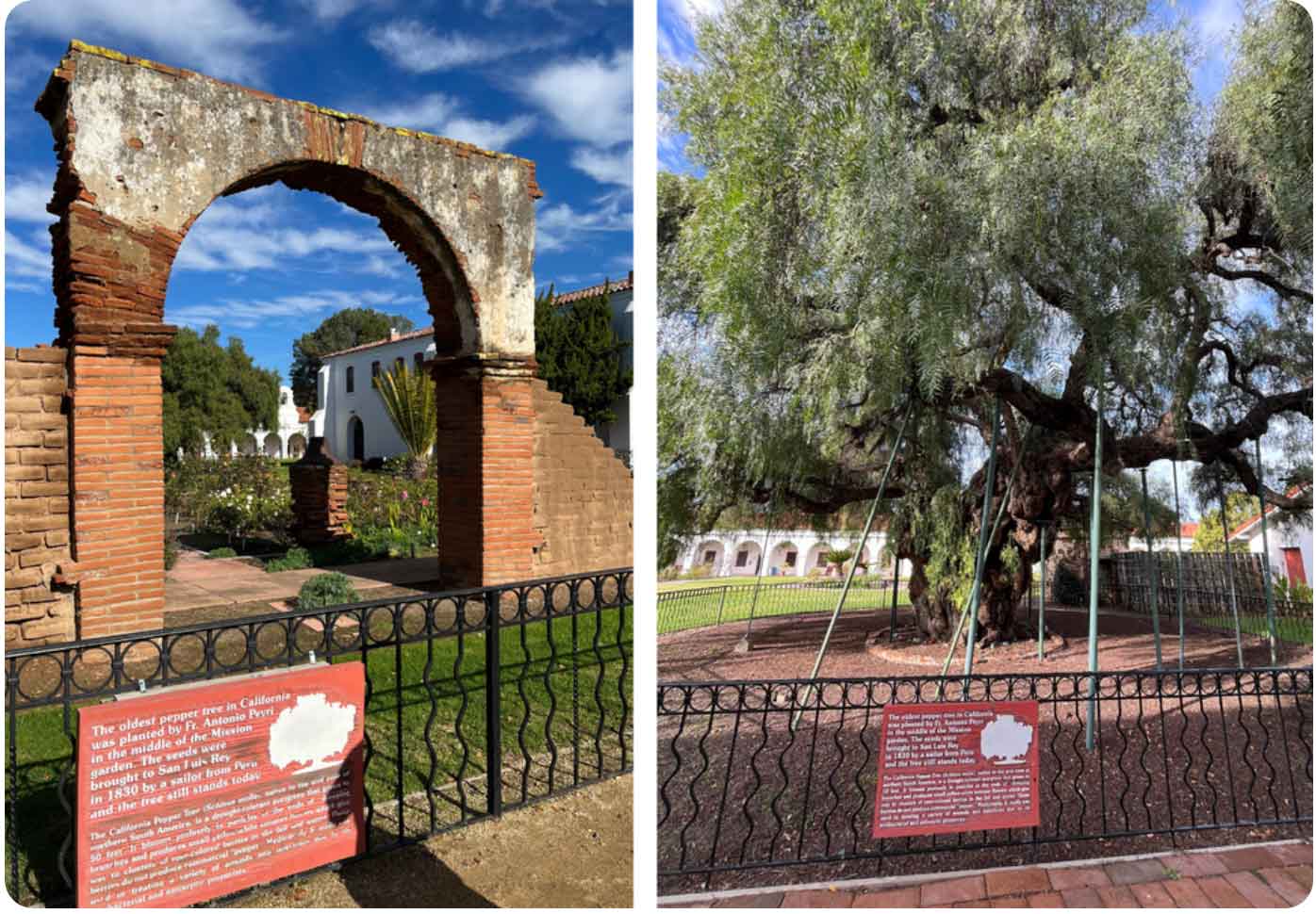
The Pepper Tree & Quandrangle
Past
Present
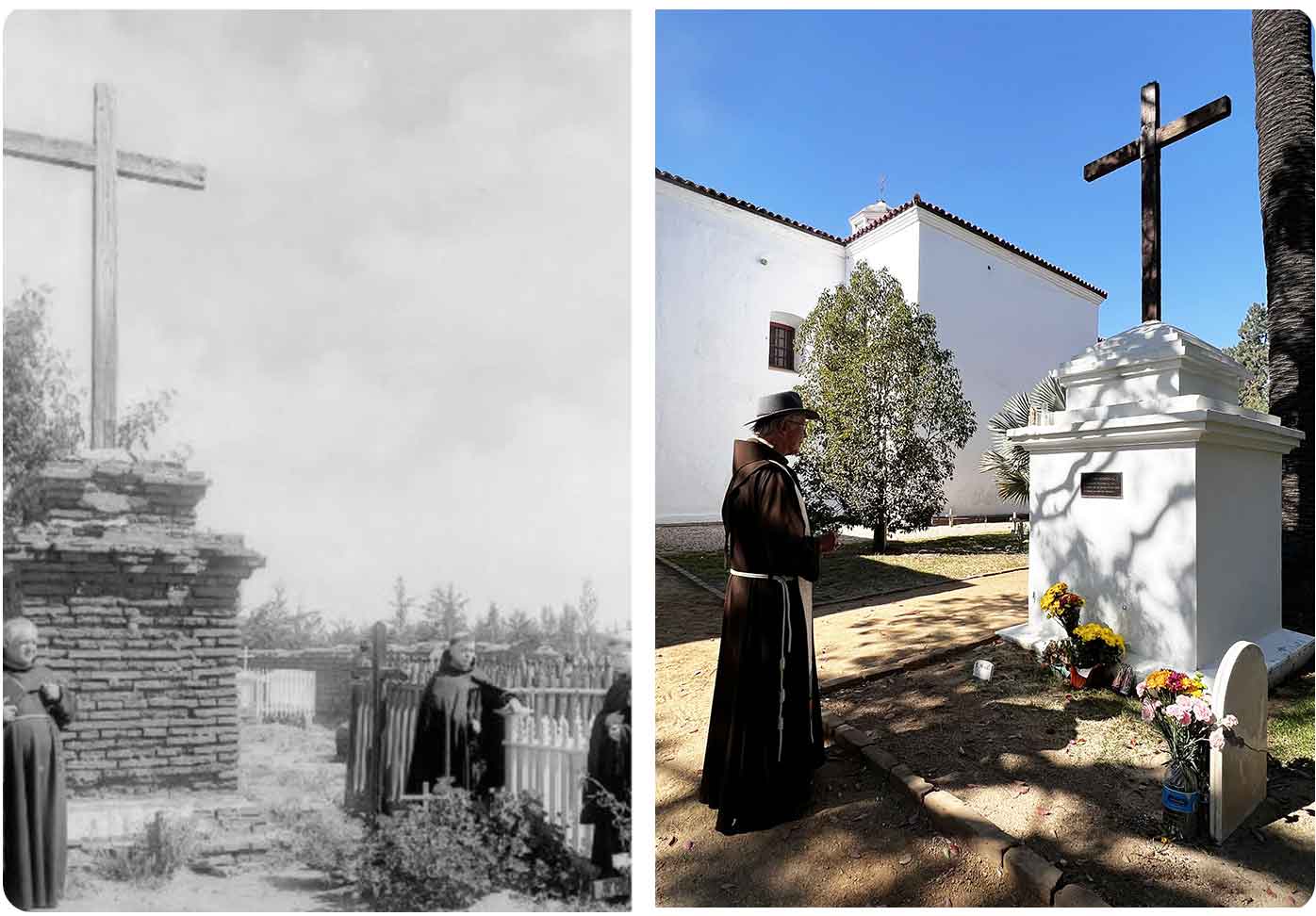
Mission Cemetery
Past
Present
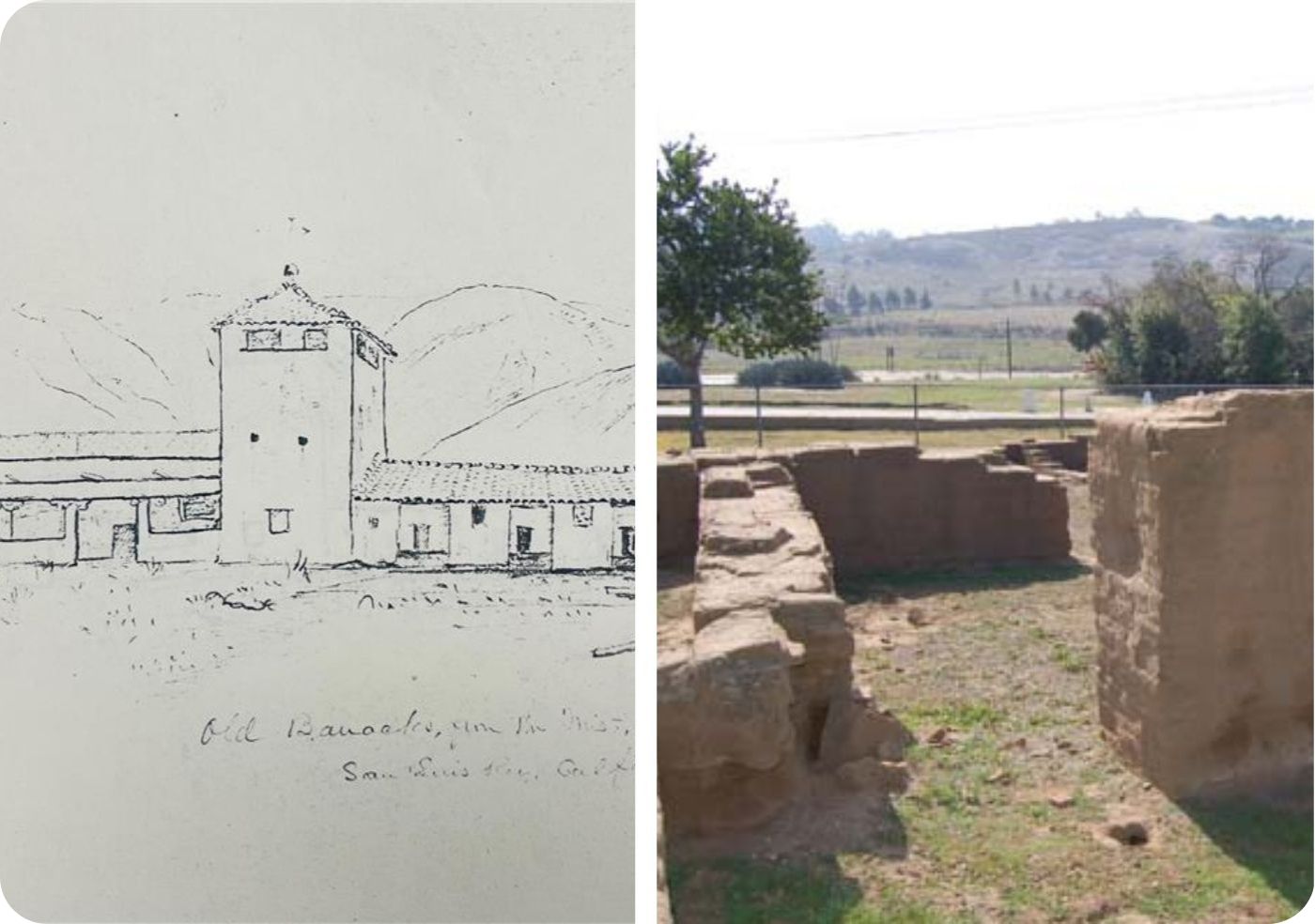
Soldiers' Barracks
Past
Present
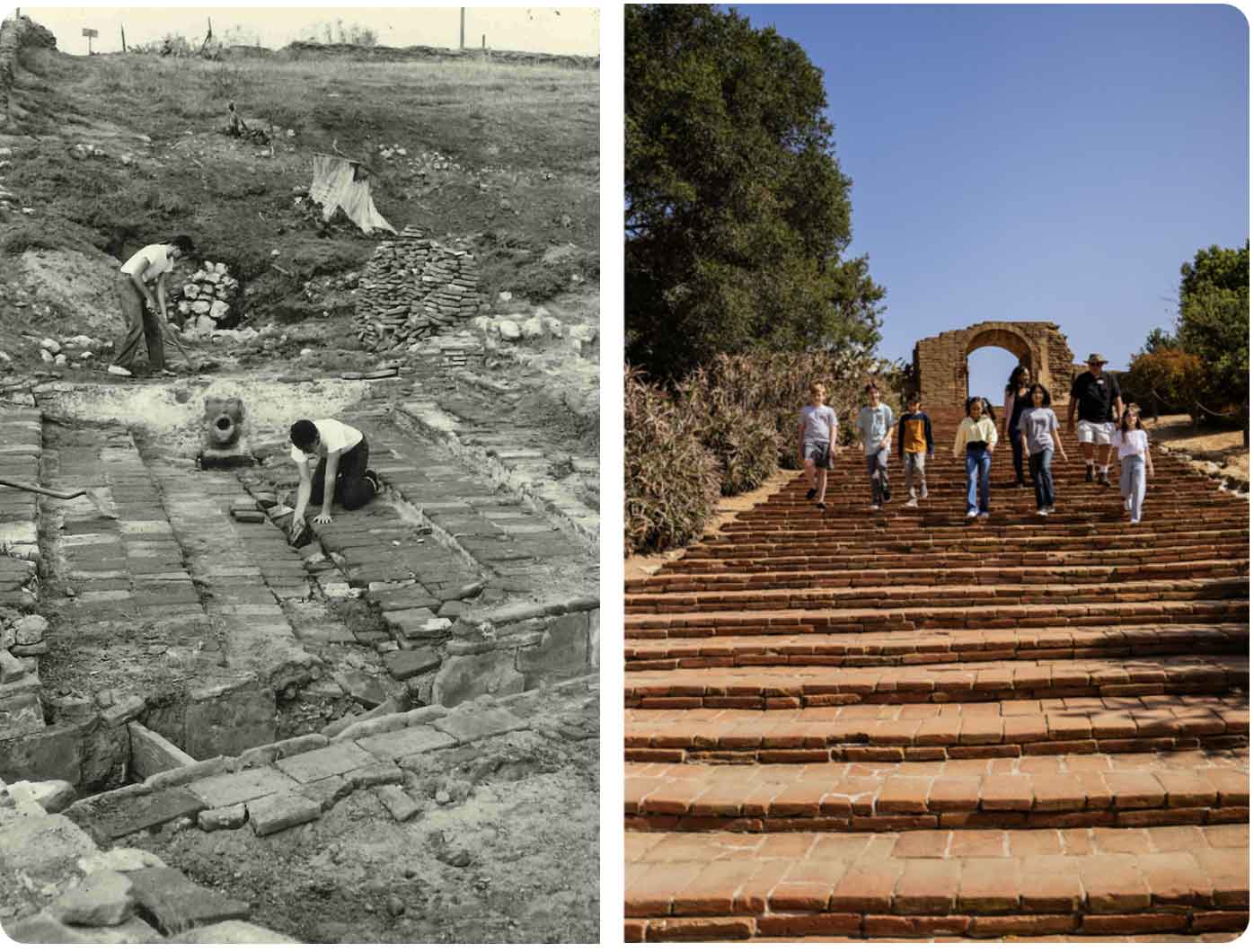
Lavanderia